Chronic Fatigue Syndrome (CFS/ME) is increasingly becoming a health issue plaguing modern society. Unlike ordinary tiredness, this condition manifests as a persistent sense of exhaustion that cannot be alleviated by rest; it is often accompanied by physical decline, sleep disturbances, and cognitive impairment, severely impacting patients’ quality of life. As the medical community actively seeks strategies to address this challenge, the question of how to safely and effectively aid patients in their recovery has become a focal point of widespread attention.
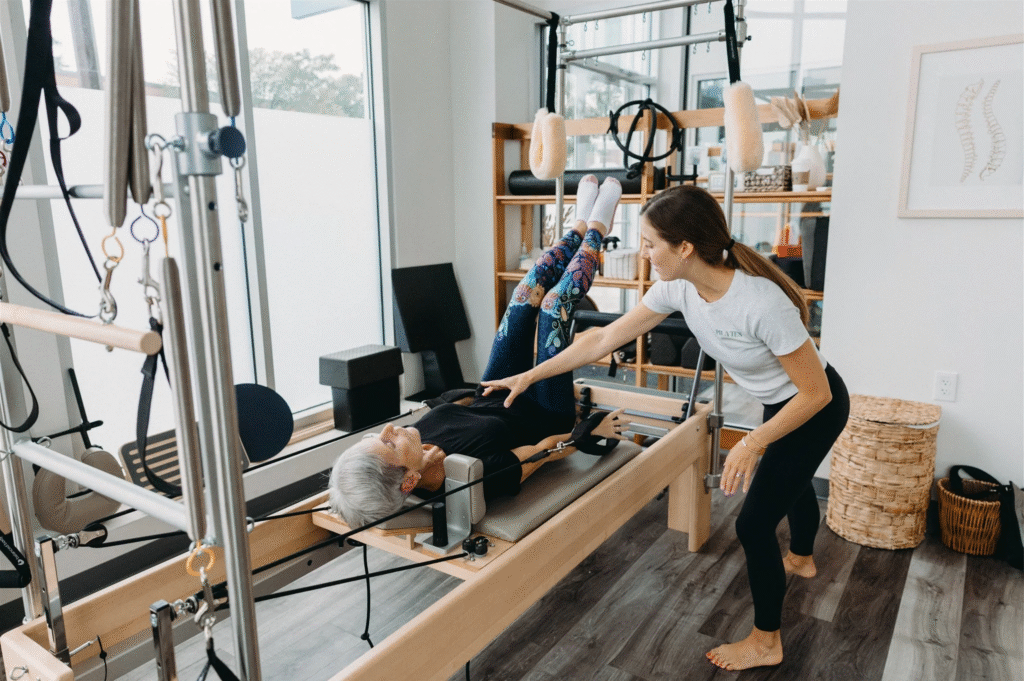
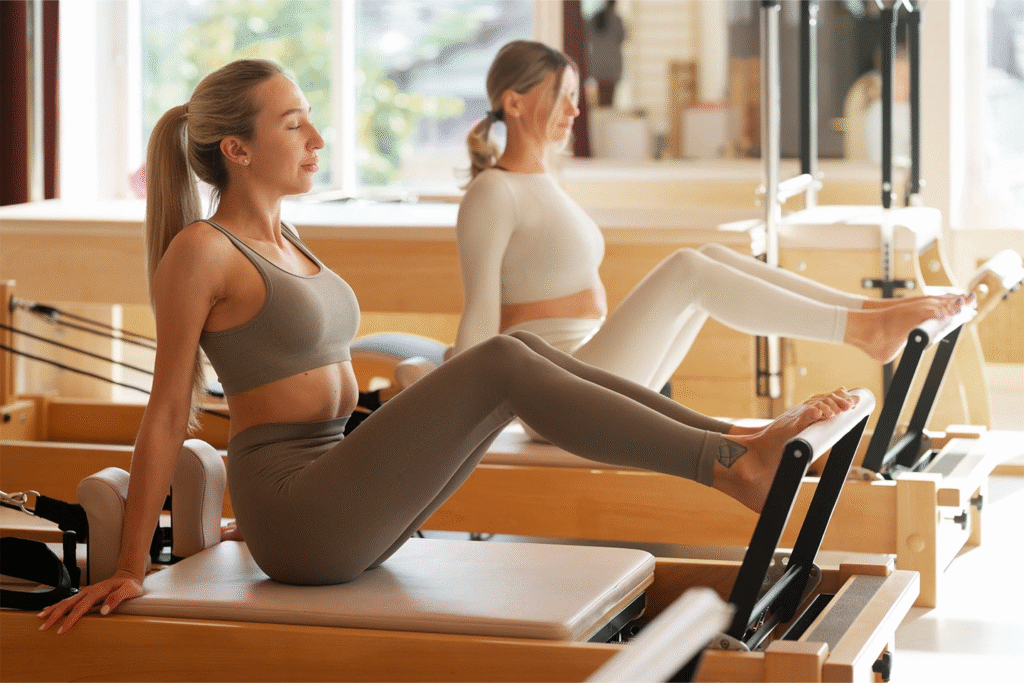
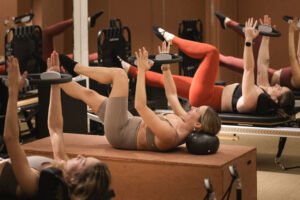
As a gentle yet systematic form of exercise, Pilates is gradually demonstrating its unique value in alleviating chronic fatigue. Emphasizing core strength, body control, and breath coordination, it employs low-intensity training methods to help patients gradually restore their physical function without exacerbating their symptoms.
Why is Pilates Suitable for Chronic Fatigue Patients?
First, Pilates focuses on training the core muscle groups, which helps improve posture and stability, thereby reducing the muscular strain associated with daily activities. By strengthening deep-seated muscles, patients can perform basic movements more efficiently, minimizing secondary fatigue caused by poor posture.
Second, Pilates integrates breath control throughout every movement, emphasizing the synchronization of mind and body during exercise. Deep, rhythmic breathing helps relax the nervous system and increases oxygen intake, thereby enhancing physical endurance and resilience. For chronic fatigue patients—who often exist in a state of prolonged tension—this internal regulatory mechanism is particularly vital.
More importantly, Pilates offers a high degree of individual adaptability. Training intensity can be flexibly adjusted to suit each patient’s specific condition, thereby avoiding “Post-Exertional Malaise” (PEM)—a worsening of symptoms triggered by overexertion. This progressive, step-by-step approach ensures the safety of the exercise regimen while simultaneously helping patients build confidence in their physical recovery.
Furthermore, the positive psychological impact of Pilates cannot be overlooked. Chronic fatigue is often accompanied by anxiety, stress, and low mood; the focus and introspection fostered by Pilates help alleviate this psychological burden, enhancing a sense of emotional stability and personal control.
Conclusion
As manufacturers of Pilates equipment, we deeply recognize the potential of this discipline in the rehabilitation of chronic fatigue. Through a gentle yet effective approach, it empowers patients to rebuild their physical foundations and regain the rhythm of their lives. By selecting appropriate equipment and training regimens, and progressing through exercises gradually, Pilates is becoming a vital aid for an increasing number of chronic fatigue sufferers on their journey toward recovery.
Hey there partner !
How can we help you today?
Raetin’s Blog
Welcome to the Raetin
Your go-to destination for custom tips, newest design trends, and inspiration.
You can fill out the form below to leave your questions regarding product pricing, product catalog, factory information, etc., or contact us directly via email:raetinn@gmail.com or WhatsApp:+86 13933702587.